
Posted on 10Sep2025
By Jerome Marcelo
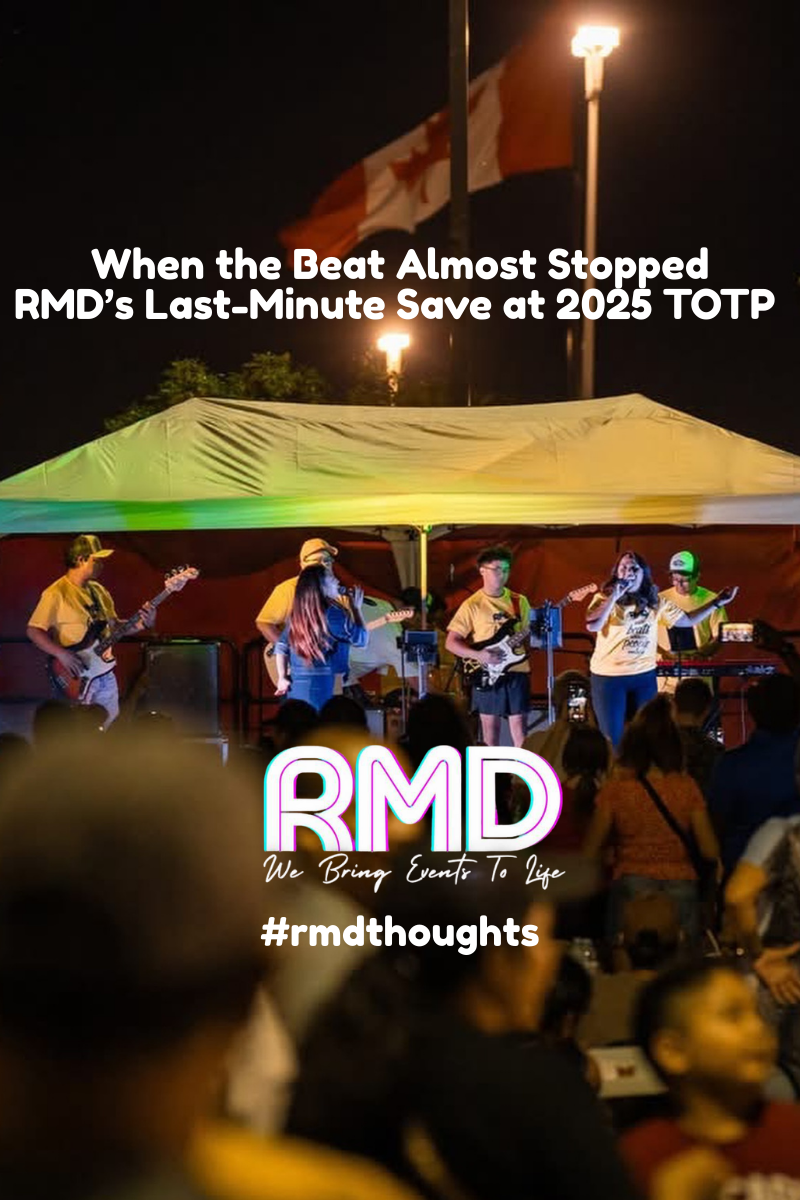
Every band has its backstage stories. Some are epic tales of rockstar mischief, some are quiet reflections of creative struggle, and others… well, let’s just say they’re the kind that make you look up at the sky, sigh, and say, “Lord, why us?”
One month before Taste of the Philippines (TOTP) 2025, RMD was riding high. We had fresh arrangements, a fire setlist, and the kind of energy that makes you feel like nothing could go wrong. Spoiler alert: everything went wrong.
But here’s the thing—when you value empathy and support the way we do, those unexpected turns don’t break you. They bend you, stretch you, and sometimes force you to learn new instruments overnight. They make you laugh at the absurdity of it all, cry in the middle of rehearsals, and—if you’re lucky—make you a stronger, tighter, more loving band.
This is that story.
Chapter 1: The Great Disappearance Act
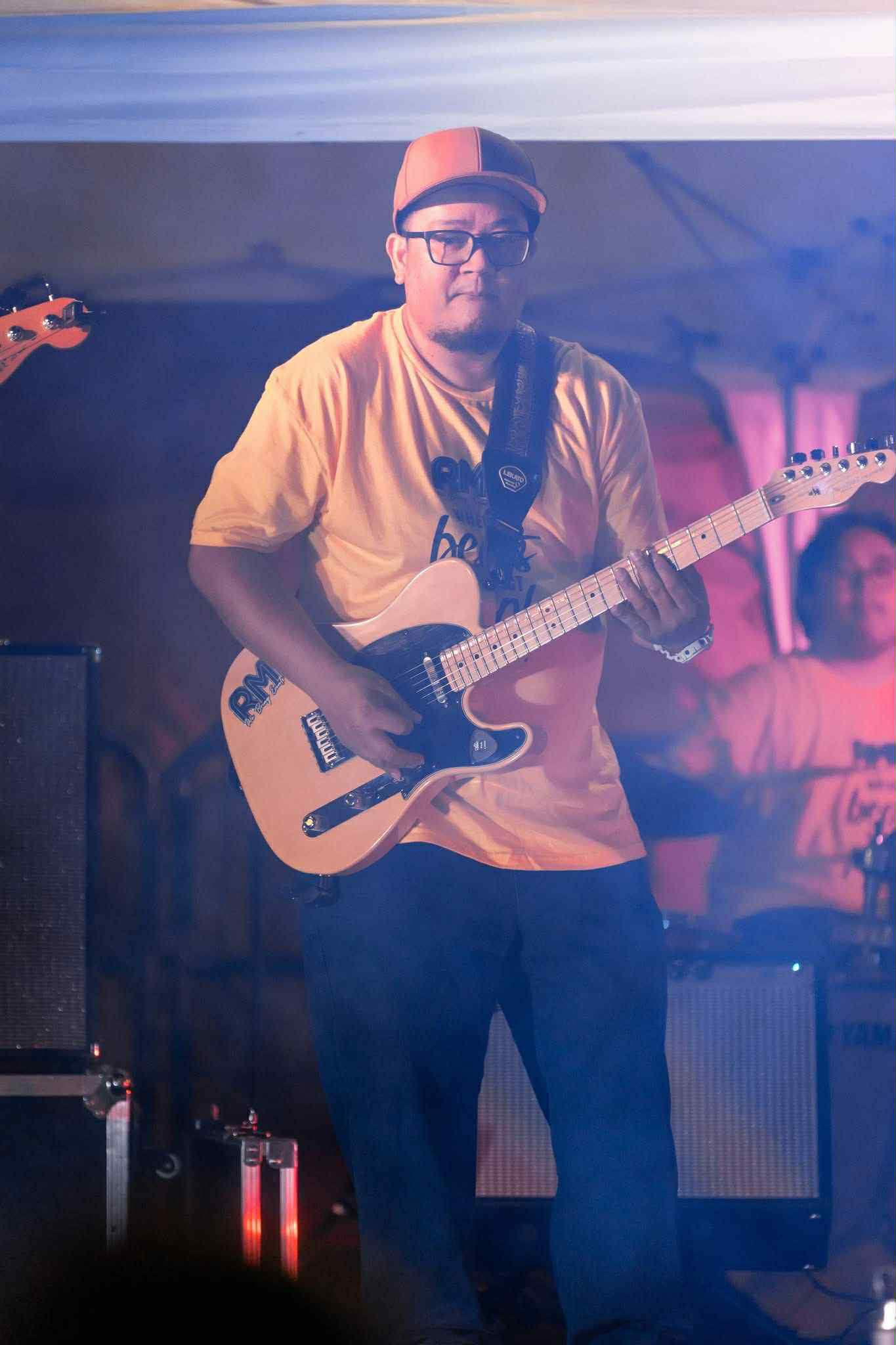
About four weeks before TOTP, our drummer Ruben dropped a bombshell: he needed to take a leave of absence. Now, in any band, losing your drummer is like taking the wheels off a car. Sure, the stereo still works, and maybe you can sit in the car and pretend you’re going somewhere—but you’re not moving.
Cue Bhong. Normally our keyboardist, he looked around the room, cracked his knuckles, and said the five most terrifying words a band can hear:
“I’ll do the drumming.”
To his credit, Bhong has always been a versatile musician. But imagine this—a drummer isn’t some casual backyard jam. It’s TOTP. A festival. With thousands of people. Pressure much?
And as if that weren’t enough, our bassist Randy had also requested a vacation around the same time. Suddenly, we weren’t just down a drummer—we were down a bassist too.
Luckily, we had a friend, John, who was kind enough to step in on bass. He didn’t hesitate. “Of course, I’ll help,” he said, casually saving our setlist and proving once again that true friends of bands deserve lifetime supply of free beer and lumpia.
Problem solved, right? Wrong.
Chapter 2: When Lightning Strikes Twice
1.5 weeks before TOTP, just when we were starting to breathe again, disaster struck. Bhong—our emergency drummer—was hospitalized. Yes, hospitalized.
At this point, the RMD group chat was looking less like a music thread and more like a telenovela script. “Should we cancel?” “Do we even have a band left?” “Does anybody here know how to play drums on GarageBand and hook it up to the speakers?”
We laughed through the panic, because really, what else can you do?
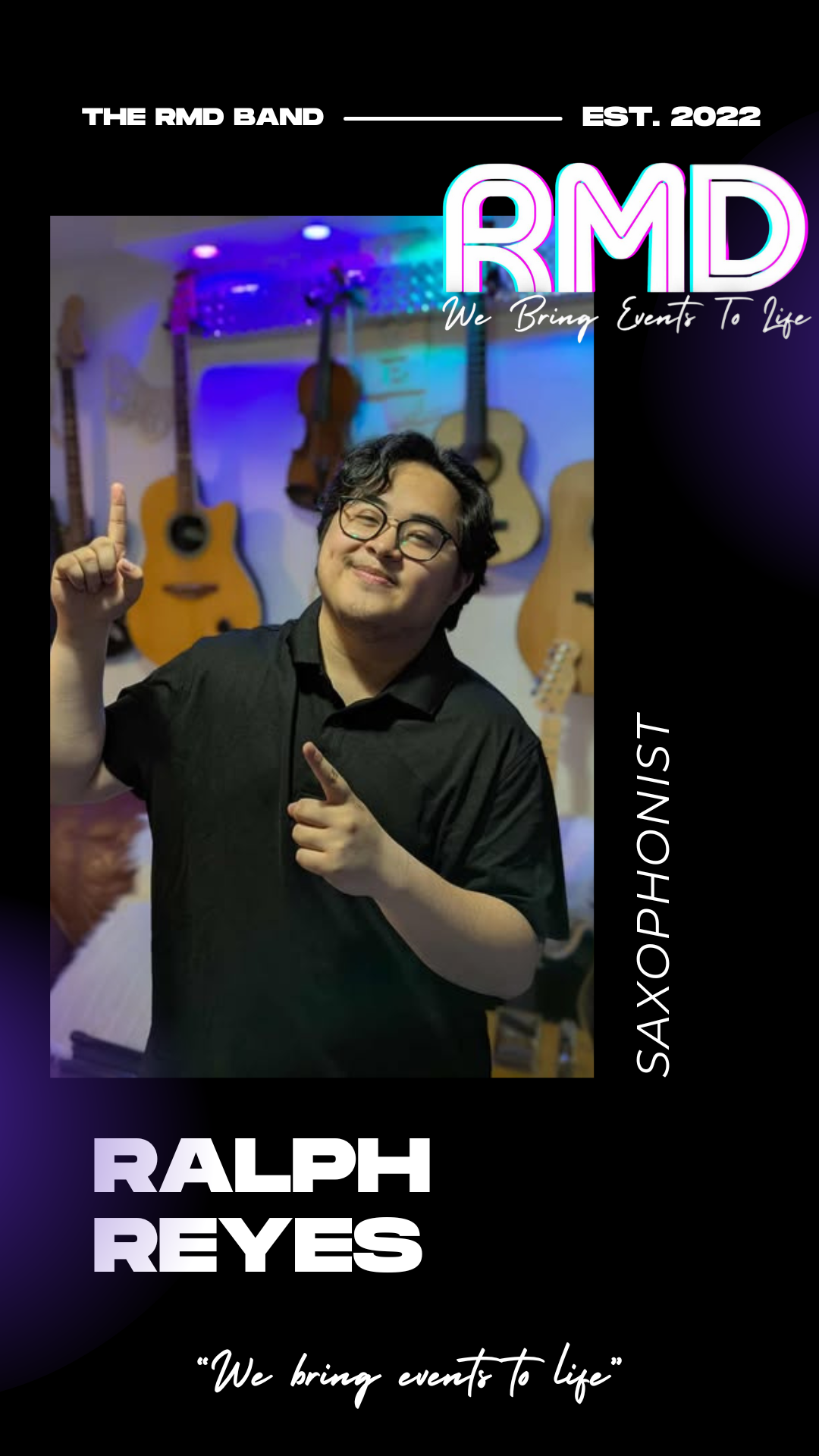
And that’s when Ralph, our saxophonist, reminded us all of what empathy and support look like in real time. He stepped up—not with words, but with action. He said, “Okay, my brother can step in on rhythm guitar. I’ll cover the drums. We’ll figure it out.”
In one sentence, Ralph reminded us of why we even do this: not for perfection, not for ego, but for the joy of playing together, supporting each other, and giving people music they can dance to, even if we’re duct-taping the show together behind the scenes.
Chapter 3: The Return of the Legend
Now, if this were a normal story, you’d expect us to limp into TOTP, make do with last-minute substitutions, and pray the audience didn’t notice.
But this isn’t a normal story.
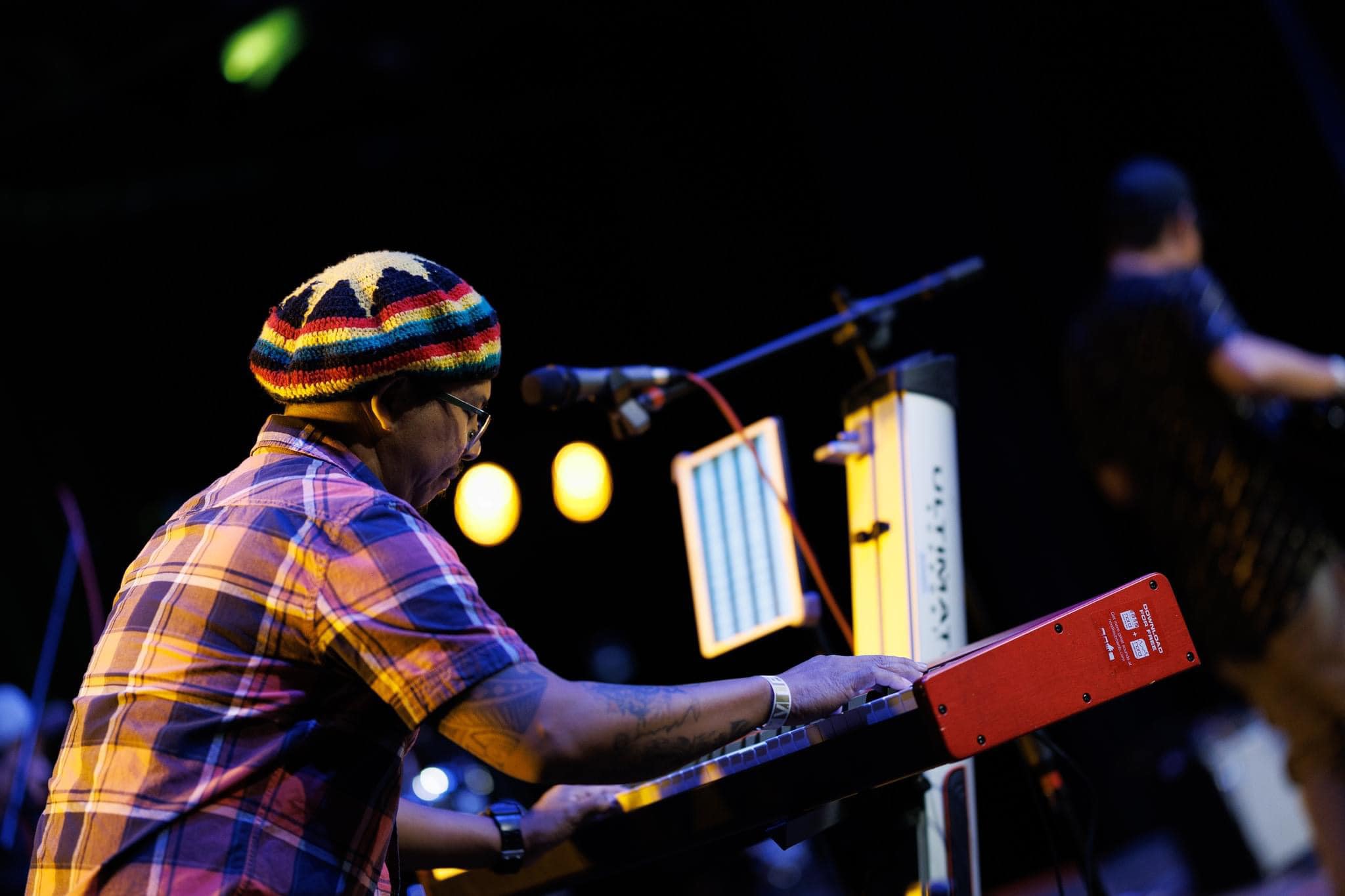
Three days before the festival, while still recovering, Bhong made the ultimate mic-drop decision: he was coming back.
Not to play drums, his emergency assignment. But to play keyboards and lead us through the chaos with sheer professionalism.
That’s right—this man pulled a Jordan “Flu Game” move and decided to show up, sit behind the keys, and lead by example. It wasn’t about proving anything. It wasn’t about ego. It was about professionalism, empathy, and love—for us, for the music, and for the audience.
When Bhong walked into rehearsal, still weak but determined, we knew what we were seeing: leadership in its purest form. Not the kind that shouts orders or demands spotlight, but the kind that shows up when it would’ve been easier to stay home.
Chapter 4: What Empathy and Support Really Mean
On paper, our TOTP prep looks like chaos. In reality, it was a masterclass in empathy and support.
Empathy meant understanding when Ruben said he needed time off. No drama, no guilt trips—just support.
Empathy meant cheering Bhong on in the hospital, sending jokes in the group chat to keep his spirits up, even when we were panicking about the gig.
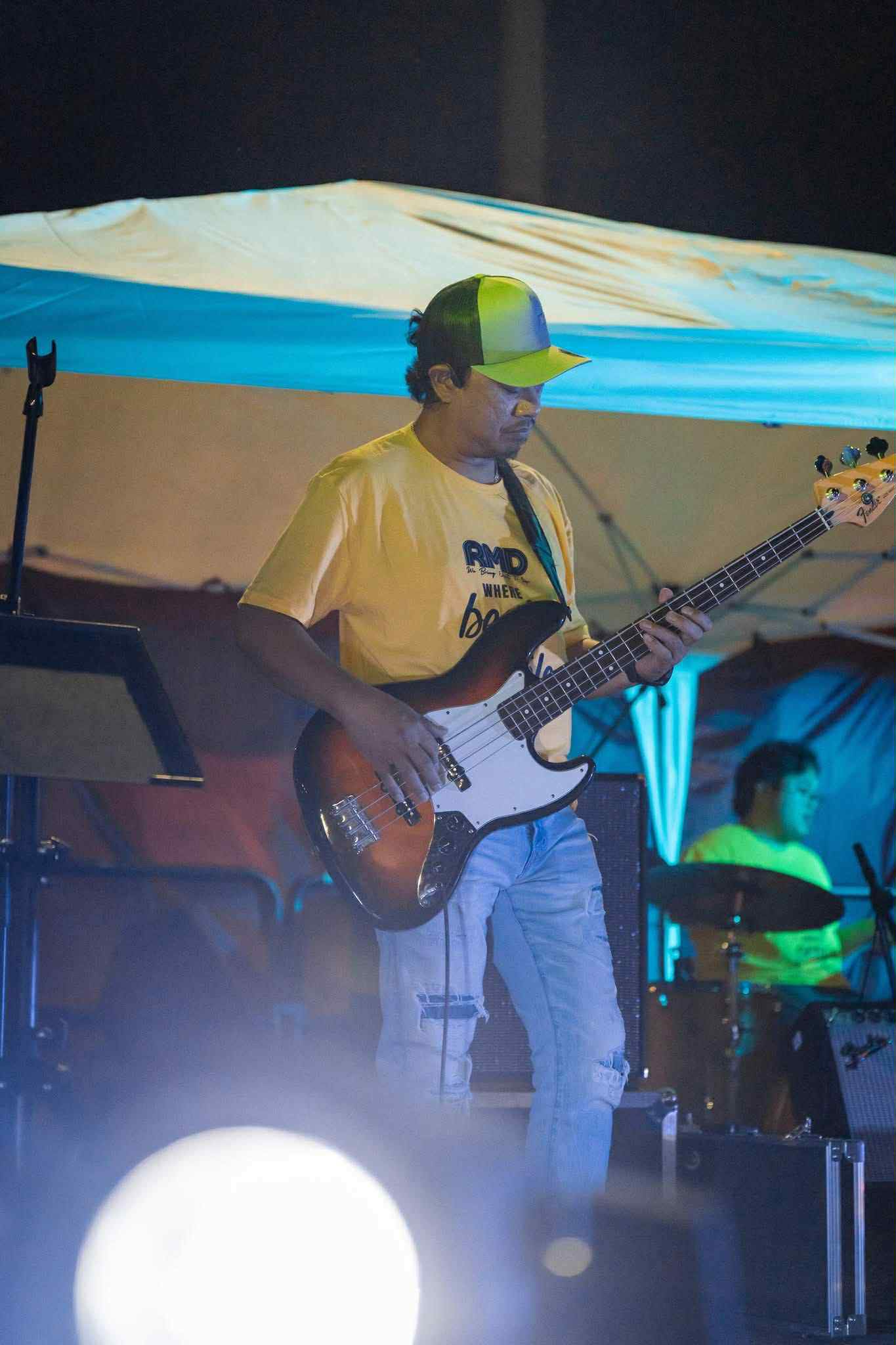
Empathy meant John stepping in with zero hesitation, not just filling in but playing with heart.
Empathy meant Ralph putting family on speed dial, then showing up with his brother like, “Surprise, we’re a package deal!”
Empathy meant respecting Randy’s need for a vacation, even if we missed his groove.
Support isn’t about fancy words or big speeches. It’s about action. It’s about saying, “I got you”—and then actually showing up.
And support has a funny way of multiplying. One person steps up, and it inspires the next, and then the next. By the time TOTP rolled around, we weren’t just a band. We were a living, breathing example of what happens when people refuse to let each other fall.
Chapter 5: The Show Must Go On
So, how did it all go down at TOTP?
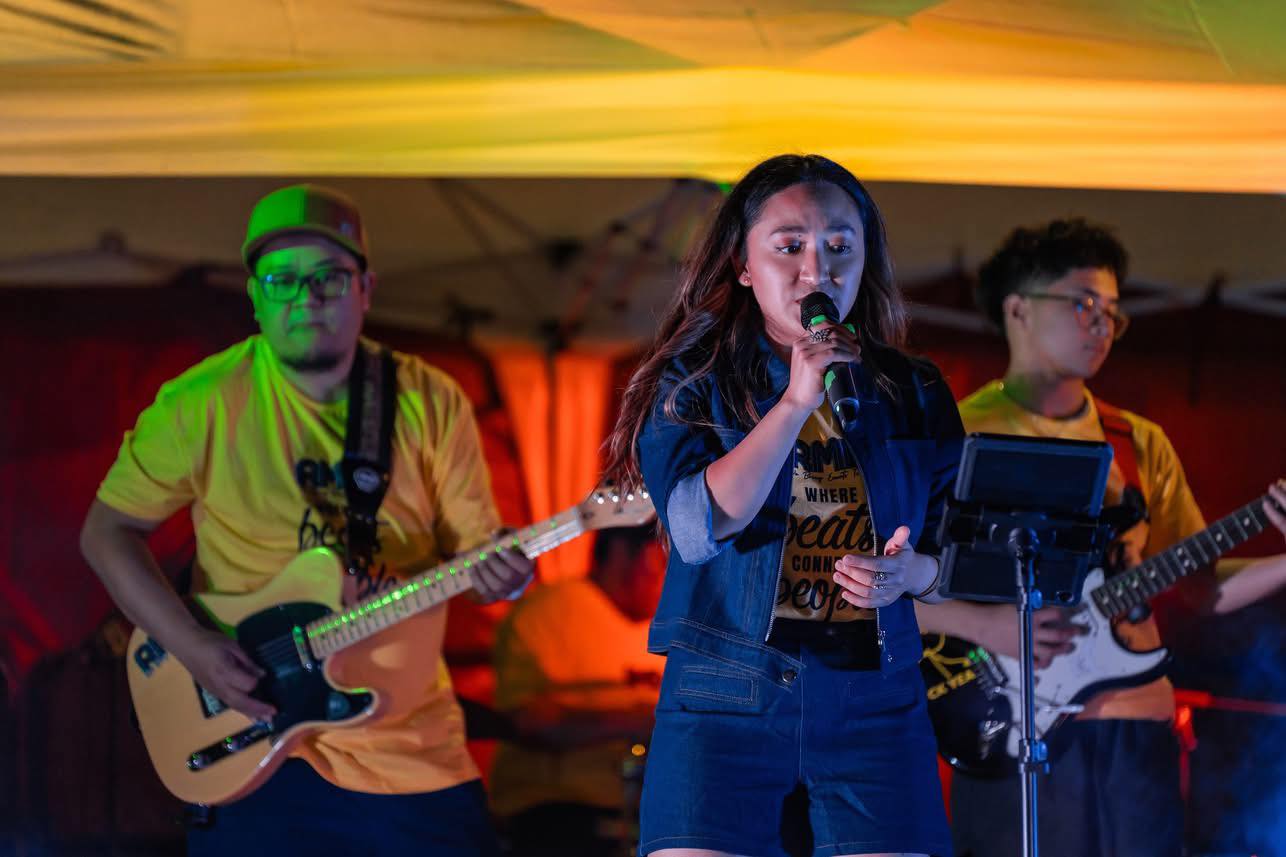
It was electric. Messy, in the best way. Beautiful.
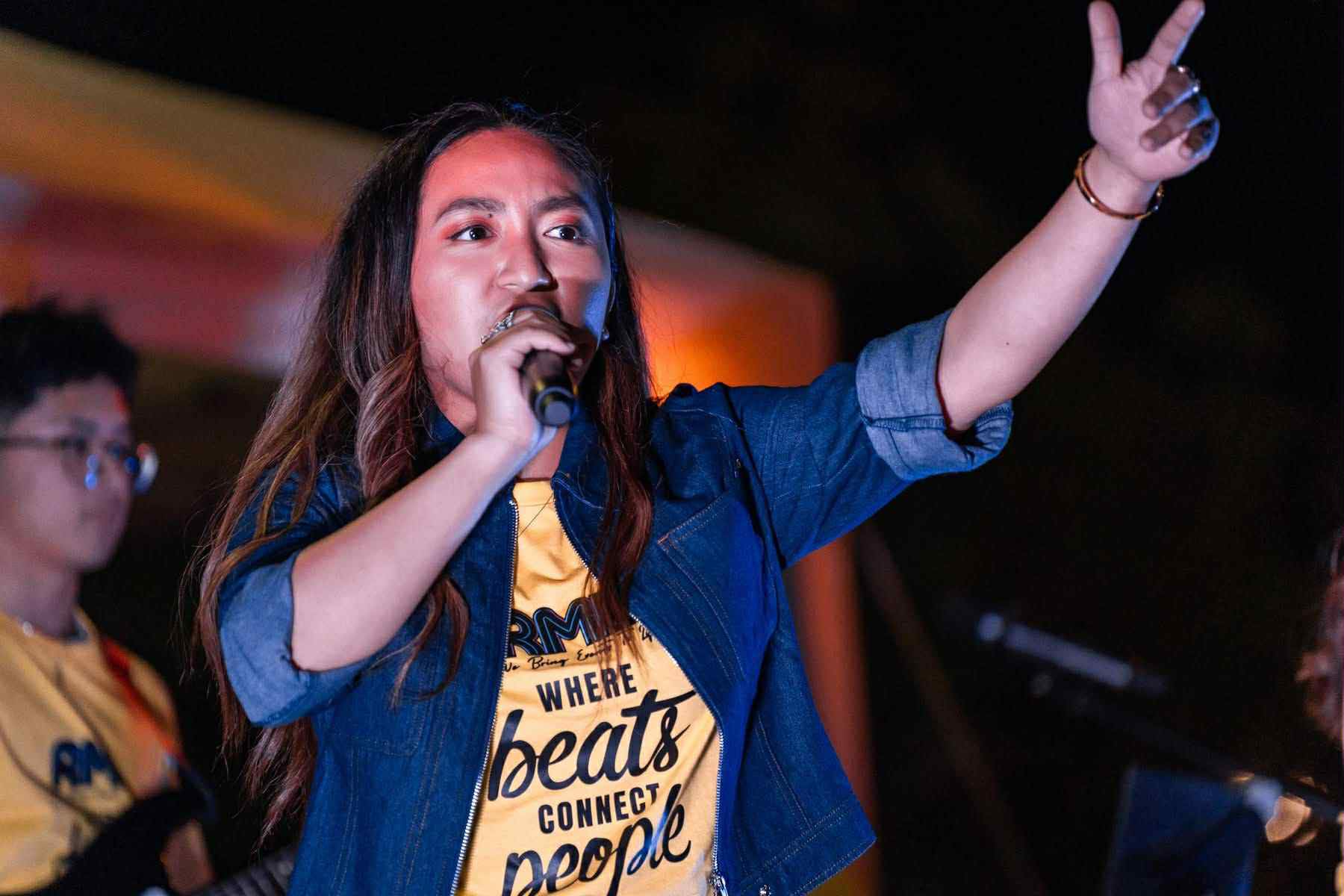
We hit the stage not as the original, carefully crafted lineup we had envisioned, but as something even stronger: a family who had been tested, broken, stitched back together, and then polished with laughter and love.
Every note, every solo, every harmony carried the weight of what we had been through in those few weeks. And the audience? They felt it. You can’t fake that kind of energy.
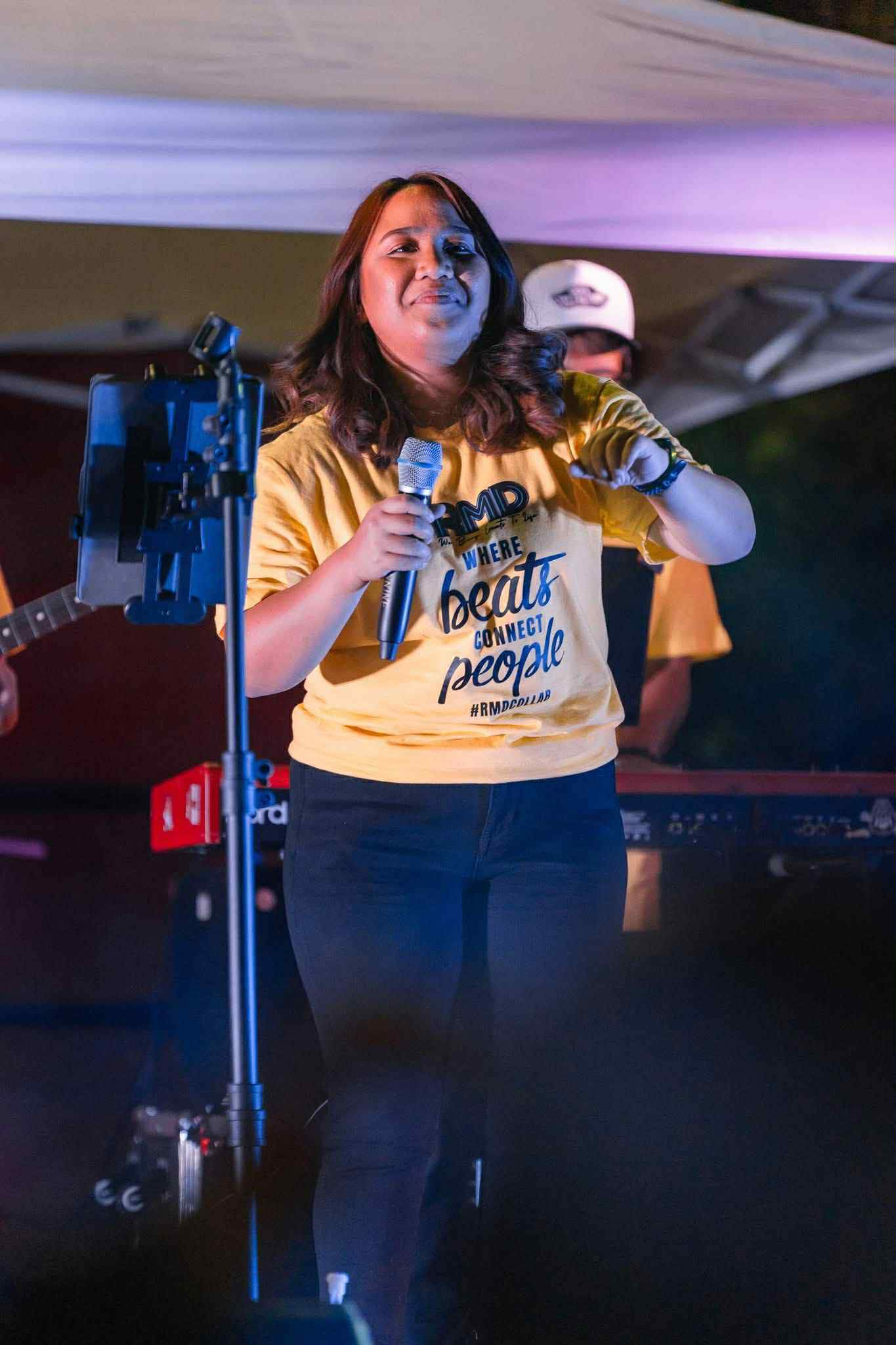
People danced, sang, and cheered like they were part of the story—because they were. TOTP became more than a festival gig. It became a reminder that music isn’t about perfection. It’s about connection.
Epilogue: Lessons from the Madness
Looking back, it’s almost funny how much went wrong. If this had been a movie script, we would’ve rolled our eyes and said, “Yeah right, too dramatic, no one would believe that.”
But it happened.
And through it, we learned that empathy and support aren’t just values you print on a poster or sprinkle into a band bio. They’re lived. They’re messy. They show up in hospital rooms, last-minute rehearsals, and late-night text threads where you’re half-laughing, half-crying.
We also learned that sometimes the universe likes to test if you’re really serious about your dreams. And when it does, the answer isn’t in how flawless you sound. It’s in how you show up for each other.
So if you saw us at TOTP, know this: every beat, every riff, every sax wail was powered not just by talent, but by empathy, support, and a whole lot of inside jokes about Bhong’s hospital gown.
Lovester Lesson
We tell you our story not just to give you a behind-the-scenes laugh, but to remind you that empathy and support matter in every part of life—whether you’re in a band, at work, in your family, or with your friends.
Sometimes the people around you will be Ruben, needing a break. Sometimes they’ll be Randy, choosing rest. Sometimes they’ll be Bhong, showing up even when it’s tough. And sometimes, you’ll be the one asked to step in like John or Ralph.
Wherever you find yourself, the question is the same: Will you show empathy? Will you give support?
Because just like music, life isn’t about being flawless. It’s about connection. And when we lift each other up, the show—your show, our show, all of it—always goes on.
So, lovesters, here’s your encore: keep showing up for each other, keep choosing empathy, and never forget—when the beat almost stops, love keeps it alive.